What Google announced
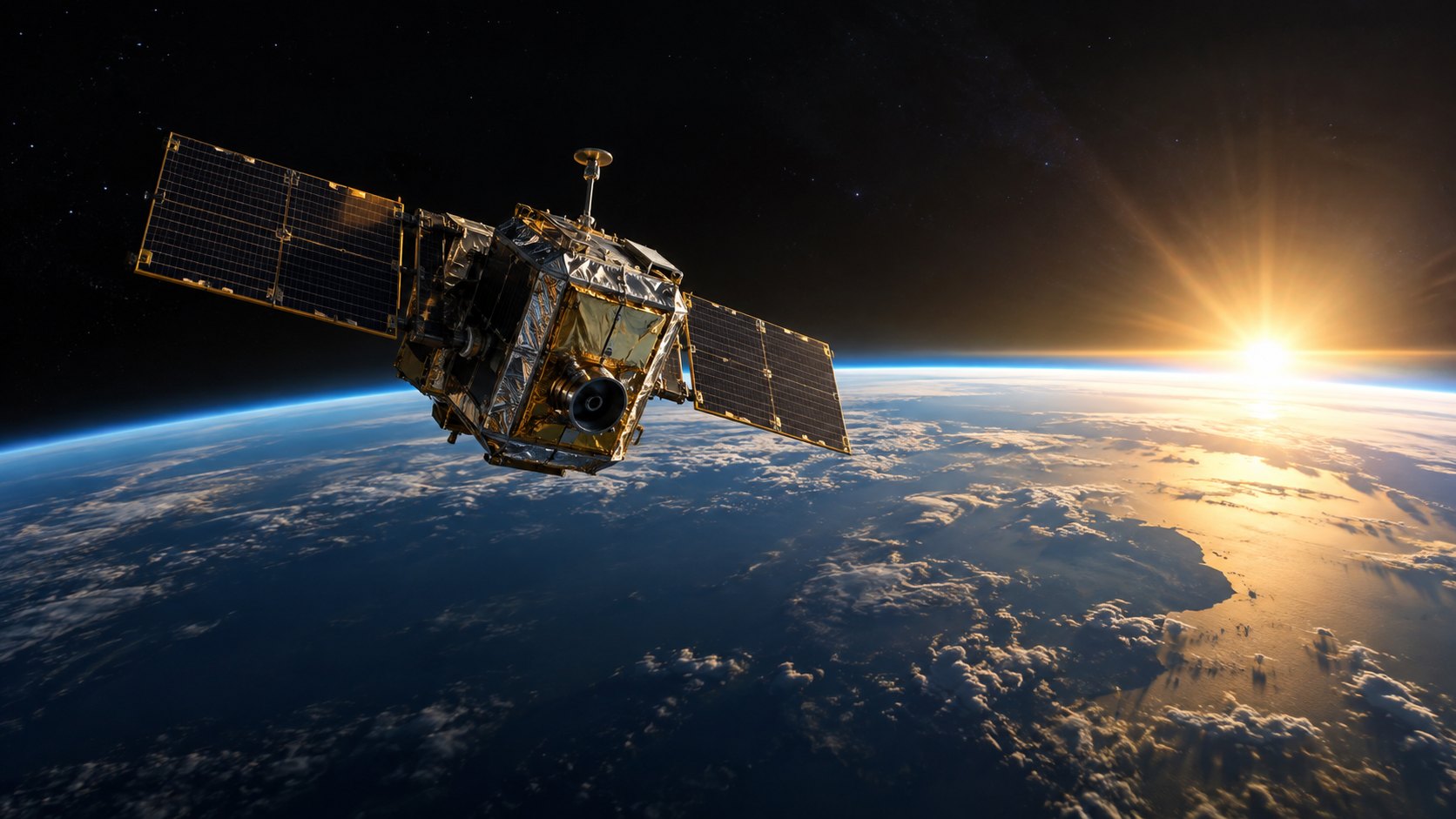
Google’s September 24 Project Suncatcher update describes an upcoming orbital test of AI hardware developed with Planet for SpaceX’s Transporter-18 mission. The company wants data on how its computing chips handle space conditions, including radiation and thermal stresses. It presents the work as an early step toward exploring computing infrastructure in space.
The announcement does not establish a successful launch, a functioning commercial orbital data center or a reduction in electricity bills. Those would be different developments requiring subsequent evidence. Read Google’s announcement and explanation of the engineering challenges: Google announcement
Suncatcher is the project name. This article makes no claim that it invokes a deity or that Google has stated a religious motive for choosing it.
An experiment is not yet an environmental answer
The attraction of moving some computing away from populated places is understandable. But a proposal should be evaluated across its whole system. Readers can ask what must be launched, how hardware would be maintained, how information returns to Earth and what happens when equipment reaches the end of its working life. These are assessment questions, not findings that this specific design has failed them.
One distinction is especially useful: adding a new source of capacity does not necessarily replace an existing source. A claimed benefit to communities would need evidence about what ground-based infrastructure was actually avoided or reduced. Without that comparison, a compelling image of a satellite cannot establish a local environmental improvement.
The same discipline applies to objections. An early experiment can produce valuable knowledge without delivering a commercial service. It should be judged against its stated test objectives rather than either celebrated as a complete solution or dismissed because it has not achieved one.
Christian perspective: creation care follows the whole chain
Psalm 24:1 places the earth and its fullness within God’s ownership. For Christians, that claim challenges the idea that an impact becomes morally unimportant once it moves beyond ordinary sight. It does not answer an engineering comparison by itself. Read Psalm 24 in NIV: Psalm 24 (NIV)
A stewardship approach would welcome credible ways to reduce harm while asking for a complete account of costs and responsibilities. Religious communities following data-center debates can apply the same questions to terrestrial and orbital proposals: whose needs are served, which burdens change and who remains responsible for what is left behind? Technical imagination deserves careful examination; distance from a neighborhood does not remove the need for it.