Energy, water & creation
Electricity demand, cooling water, emissions and stewardship. We examine the evidence behind efficiency and sustainability claims, including where resource use occurs and who shares the consequences.
AI data centers · Energy · Water · Communities
The physical expansion of AI, the resources it needs and what it means to love our neighbors and care for creation.
Electricity demand, cooling water, emissions and stewardship. We examine the evidence behind efficiency and sustainability claims, including where resource use occurs and who shares the consequences.
Land use, local jobs, electricity costs, noise and community participation. Coverage asks how churches and residents respond, without assuming that every community welcomes or opposes a project.
Prometheus, Hyperion and Stargate bring another dimension to infrastructure reporting: the stories companies attach to their ambitions. A dramatic name is not evidence of religious belief or technical capability.
Who benefits, who pays and who can challenge a decision? We follow planning records, utility decisions, company commitments and evidence of delivery—not only launch presentations.
The IEA’s 2026 Key Questions on Energy and AI estimates global data-center electricity consumption at 485 TWh in 2025 and projects about 950 TWh in 2030. These figures cover data centers overall, not AI alone. The later figure is a projection, not a measured outcome. The report also discusses efficiency gains, changing workloads and constraints on expansion. Those distinctions matter when a headline claims that AI has already used an amount of electricity that a model estimates for the future. Source: iea.org
Berkeley Lab’s data-center research examines electricity and on-site water demand, cooling and operational efficiency. It gives readers an entry point into the physical systems behind the cloud. A national estimate cannot establish the impact of a particular development: local reporting still needs the site’s water source, cooling design, operating assumptions and permit conditions. Source: eta.lbl.gov
For a local project, our reporting questions begin with the boundary of the claim. Is a figure about water withdrawn or water consumed? Does it describe cooling at the facility, water associated with electricity generation, or both? Is it an annual estimate, a peak-day requirement or a measured operating result? Figures with different boundaries should not be treated as interchangeable.
Location matters to the moral question as well as the technical one. Before drawing conclusions about a facility, examine the catchment, seasonal conditions and the competing needs identified by the relevant water authority. Ask whether promised savings have been measured and whether the underlying records are available. Neither a global total nor a reassuring company slogan resolves the local question.
Genesis 2:15 places human work within a responsibility to tend the garden. Applied to technology, this offers a lens of stewardship: productive activity and care belong together. It does not provide a numerical water limit or decide a planning application. Those judgments require evidence, technical knowledge and listening to affected people. Genesis 2:15 (NIV)
Jesus’ command to love one’s neighbor in Mark 12:31 gives the debate a personal dimension. A community is more than a convenient site for infrastructure. Residents, workers and people dependent on shared resources deserve consideration in decisions made for distant customers. At the same time, workers and people who may benefit from useful technology are neighbors too. A Christian response should examine benefits and burdens honestly instead of assuming that innovation is always virtuous or always exploitative. Mark 12:31 (NIV)
Consider a church discussing a proposed data center near its town. Its first contribution need not be a declaration for or against it. It could help residents read the proposal, distinguish permanent employment from construction jobs, identify unanswered water questions and understand where public comments are accepted. This is a hypothetical illustration, not a report of a church campaign. Stewardship becomes practical when concern is translated into careful questions and fair participation.
A strong case starts with a named project, a dated proposal and accessible records. Relevant sources include planning applications, environmental assessments, utility filings, water permits and the developer’s original statements. Company promises need attribution. Claims of harm or misconduct need corroboration and a fair opportunity for response.
Public reaction should identify who spoke, when and in what capacity. A pastor’s view is not automatically a denomination’s policy; a public meeting or viral post is not a representative survey. Our Christian interpretation remains separate from these observations. The collection below brings together existing reporting and background histories; it does not imply that every item is a new development today.
Search the collection or filter by format. Original source dates remain visible.
Report · Work & creation
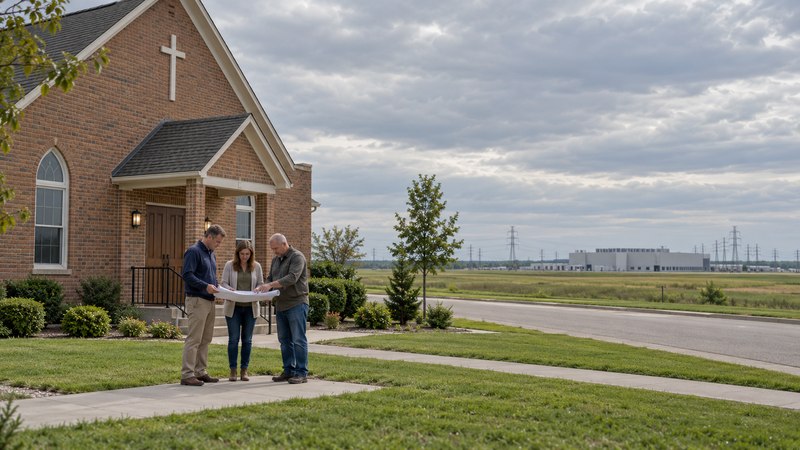
A planned church gathering brings stewardship into a live zoning debate. Existing electricity protections and proposed local requirements show why the details matter.
Published 2026-10-03 · Forum scheduled October 4, 2026; planning documents September 24; electricity tariff approved November 6, 2025
News brief · Work & creation
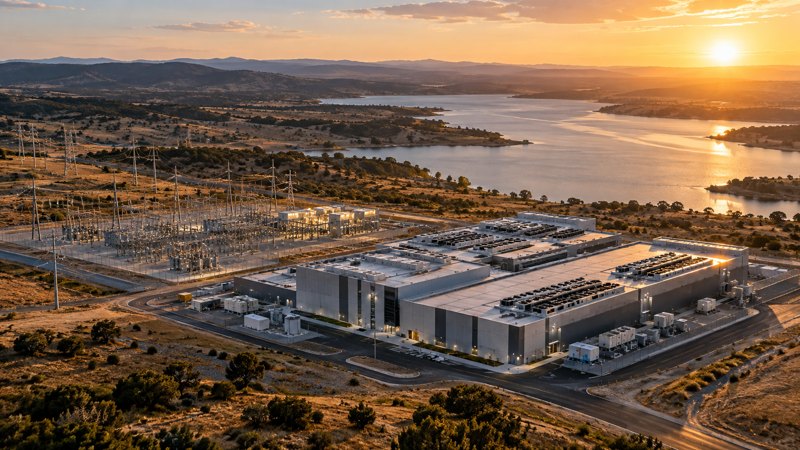
The September 25 agreement is a reminder that AI infrastructure decisions outlast a product cycle. For neighboring communities, the relevant questions include resources and long-term responsibility.
Published 2026-09-29 · Source 2026-09-25
News brief · Work & creation
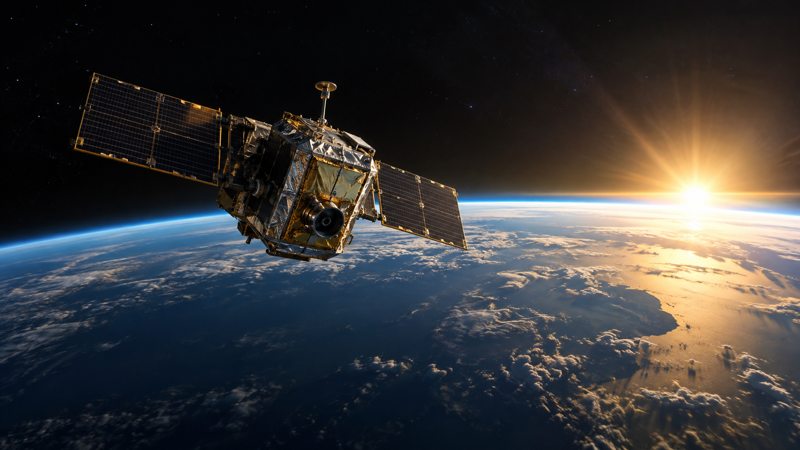
Project Suncatcher’s latest update describes an engineering experiment, not demonstrated relief for communities hosting data centers.
Published 2026-09-28 · Source 2026-09-24
Report · Work & creation
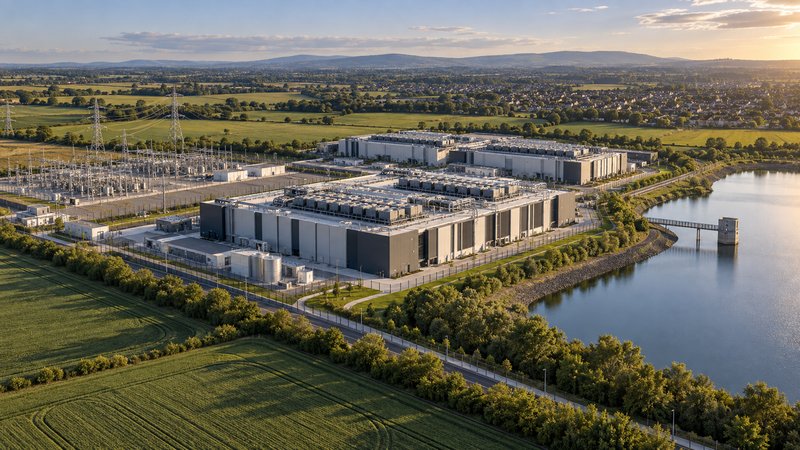
An ecumenical working group is examining technological change through Christian theology. Its concerns invite scrutiny of AI’s physical consequences as well as its claims about intelligence.
Published 2026-09-27 · Source 2026-09-17
Report · Work & creation
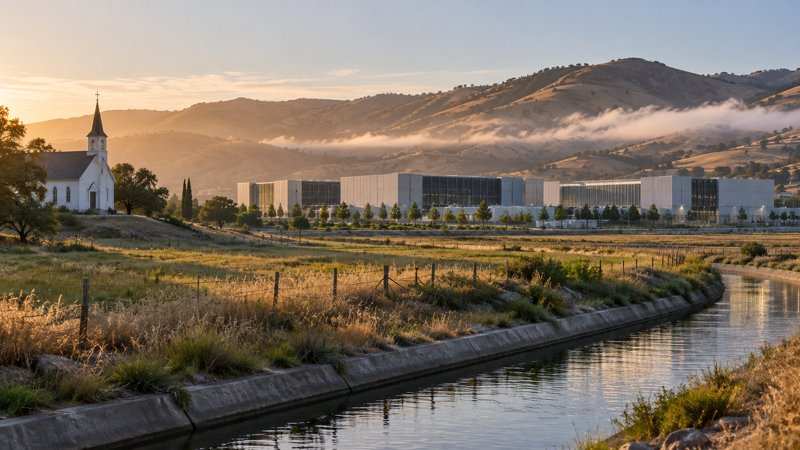
A California diocesan resolution proposes shareholder action on water, energy and community impacts. Its published status shows committee review, not final adoption.
Published 2026-09-27 · Source 2026-09-04
Report · Work & creation
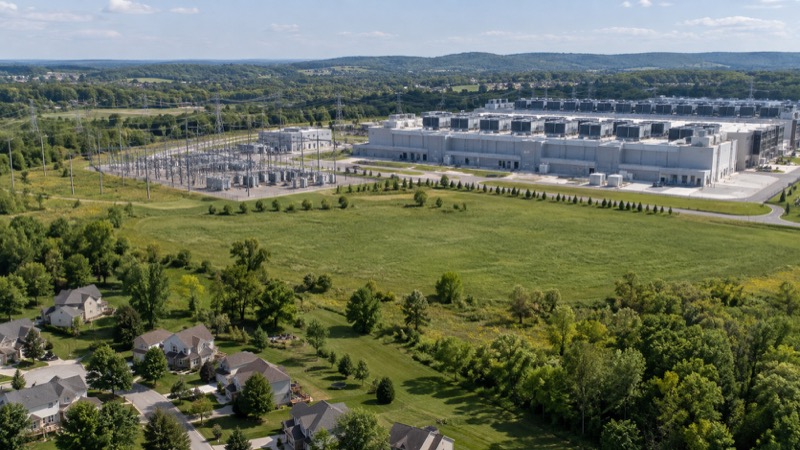
The IEA’s account of rising data-center demand invites scrutiny of infrastructure, benefits and burdens.
Source / event 2026-04-16 · Updated 2026-09-27
Explainer · Names & mythology
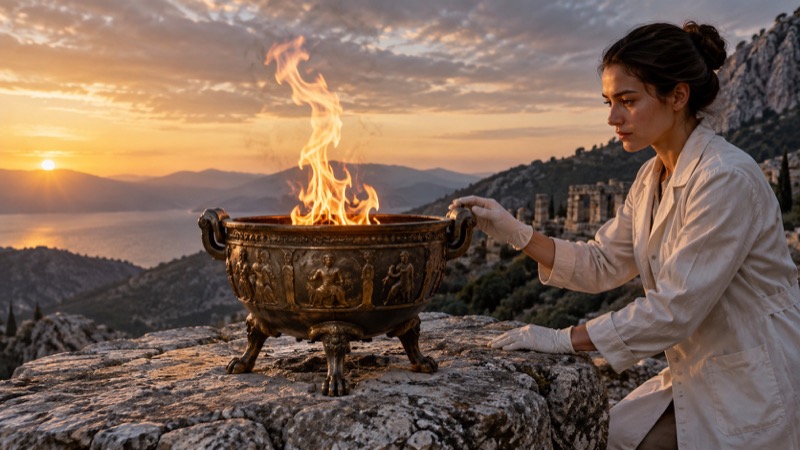
A story about giving humanity power also contains conflict and consequences.
Background · Updated 2026-09-27

Explainer · Names & mythology
A Titan’s name, rather than a generic synonym for unlimited intelligence.
Background · Updated 2026-09-27
Explainer · Names & mythology
A modern compound with science-fiction associations, not a biblical or Greek deity.
Background · Updated 2026-09-27