The report
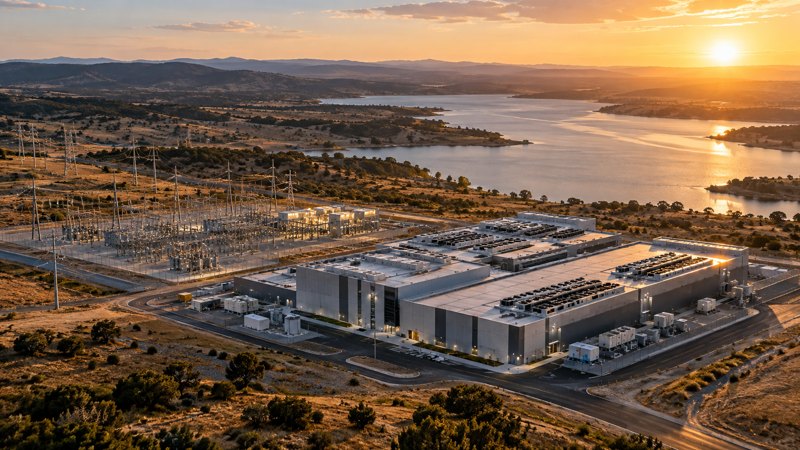
Infrastructure connects the language of abundant digital power with physical systems. Electricity must be generated and delivered; communities may experience benefits and costs differently. Better efficiency for an individual task does not necessarily mean lower total consumption if usage grows.
A useful local report would inspect a named project’s plans, energy arrangements and community consultation. General enthusiasm or alarm about AI cannot substitute for that work. The question is what this project requires and how its consequences are distributed.
The International Energy Agency’s April 16 release reports that data-center electricity demand grew 17% in 2025. It also describes improving efficiency per AI task alongside increasing use. The data-center total should not be treated as electricity used solely by AI, and a global figure does not establish a particular facility’s local impact.
Efficiency per task and total demand answer different questions
If a single computing task requires less electricity, that is an efficiency improvement. Total electricity demand can still rise when more tasks are performed or more facilities operate. These statements are compatible. A headline that treats one as a refutation of the other may hide the distinction between the unit being measured and the scale of use.
The IEA release concerns data centers, a category that includes activity beyond AI. Its global figure should not be converted into an estimate for one product or one local project without an appropriate method. Nor can a national or global trend establish whether a particular community's electricity bill, water supply or air quality has changed because of a named facility.
Those limits do not make infrastructure irrelevant to AI and religion. Promises of extraordinary digital capability depend on physical resources and institutions. Religious communities can ask how the benefits and burdens are distributed while insisting that local claims be supported by local evidence.
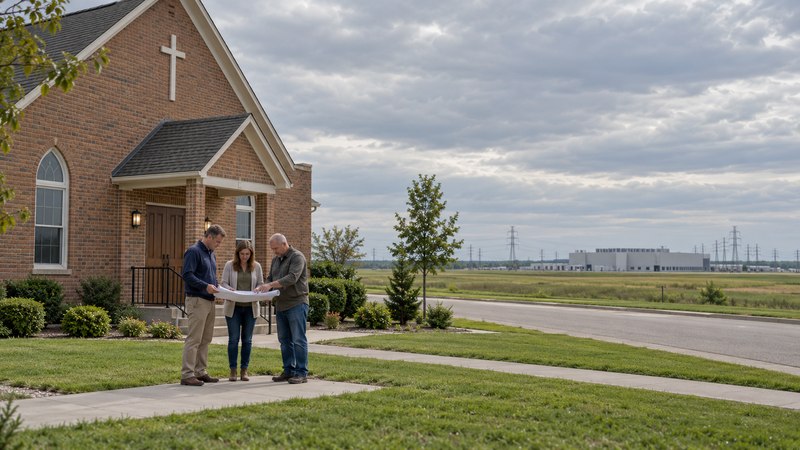
What a congregation near a proposed facility would need to know
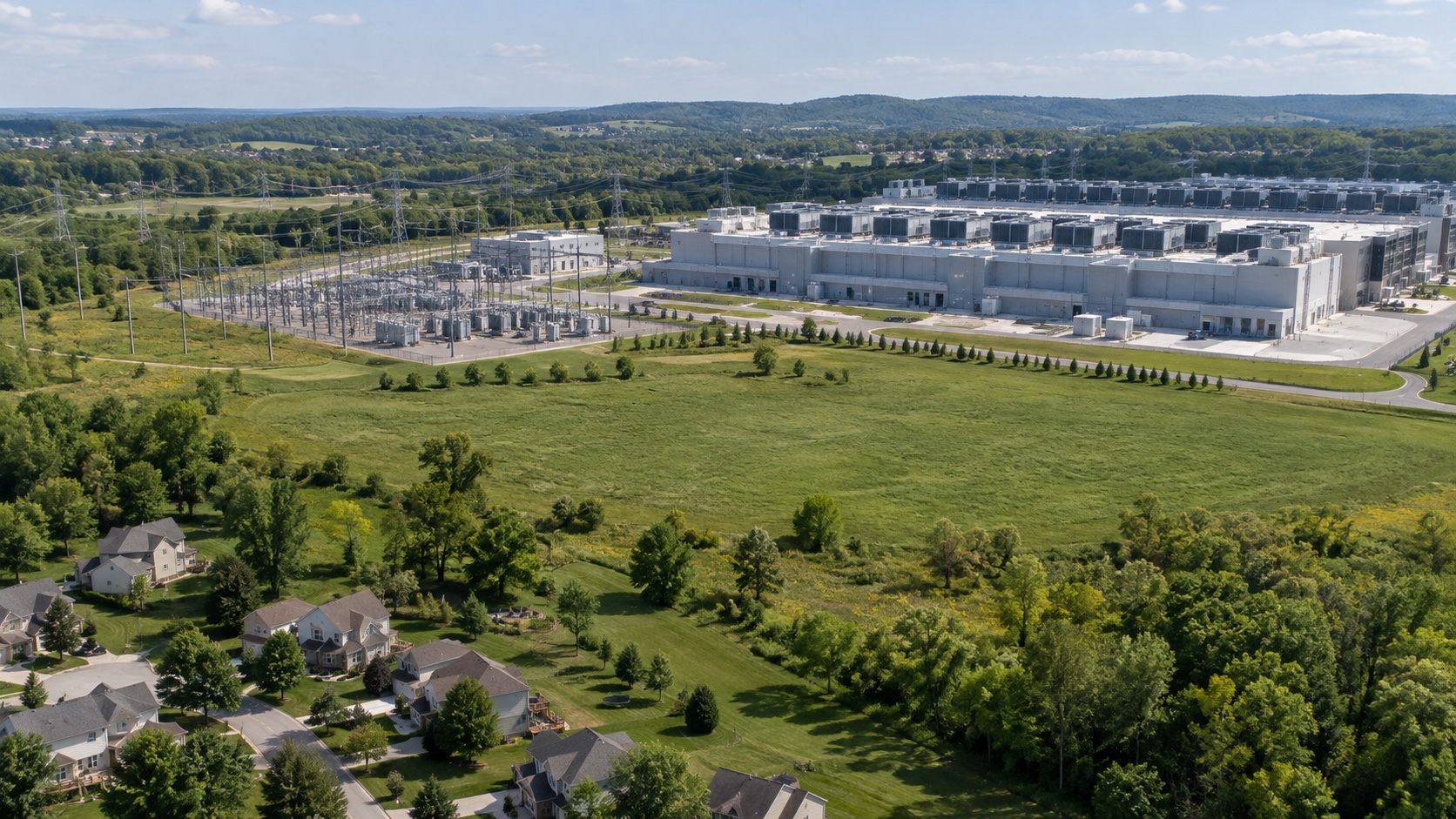
A useful inquiry would begin with the actual project proposal and its status. Is the facility announced, permitted, under construction or operating? Which capacity figures refer to a future plan and which to present use? A large number in a promotional announcement may describe an aspiration rather than an existing load.
Next, identify the relevant public records and responsible authorities. Questions about electricity supply, land use, noise or water should be linked to the specific design and jurisdiction. This article does not determine the impact of any particular development. It sets out why a community should resist both an unsupported promise of effortless benefit and an unsupported claim of inevitable harm.
Local people may have different interests. Some may anticipate work or investment; others may worry about infrastructure pressure or changes to their surroundings. A responsible report should describe those views as attributed responses and examine the evidence behind them. It should not assign a single position to “the community” after speaking to only a few visible advocates.
Religious language should not make material costs disappear
An industry promise of abundance can be inspiring while leaving practical questions unresolved. Who pays for additional infrastructure? Which benefits are guaranteed, which depend on future decisions and which are merely hoped for? The answers belong in the account before a project is described as a common good.
From a Christian perspective, stewardship includes attention to consequences beyond the immediate user. A service that appears weightless on a screen is still supported by a material system. That observation is not an argument that every use of AI is wasteful. It is a reason to include resource use and affected neighbors in the judgment of what a worthwhile application accomplishes.
The counterargument is important: computing can also support useful work, and efficiency improvements can be valuable. A fair evaluation should ask about the service provided as well as the resources consumed. Neither enthusiasm for benefits nor concern about costs supplies an automatic verdict for all facilities or applications.
Christian perspective: follow the numbers back to their definitions
When sharing a statistic, preserve its year, unit and population. State whether it concerns electricity demand, installed capacity or another measure. Avoid treating an estimate, projection and observed total as interchangeable. A reader should be able to understand what the number describes without reconstructing those distinctions from a distant source link.
For a church discussion, compare the claim in a headline with the measure in the original document. Ask what additional evidence would be needed to apply it to a local concern. This exercise can help a community take infrastructure seriously without turning a global figure into a claim it cannot support.
The IEA release supplies a dated account of a changing system. AI Faith Monitor's interpretation is that responsible technological ambition should remain answerable to the physical and social conditions that sustain it. The next step for any local judgment is project-specific reporting, not a moral conclusion drawn from the size of a global percentage alone.
Genesis 2:15 describes humanity’s work in the garden in terms of cultivation and care. The verse is not an energy-policy calculation. It does offer a moral orientation in which productive activity and responsibility for the world belong together.
Christian evaluation can therefore recognize the value of scientific and practical benefits while asking who carries the environmental and social costs. Stewardship is weakened when either benefit or burden is made invisible.
For a proposed local data center, distinguish company projections from measured use. Ask who supplies power, who pays for additional infrastructure and how affected residents can participate. Avoid attaching a global average to a specific project without evidence.